
Wellness · Men's Medical Wellness
Testosterone replacement therapy for men in Claremore
Symptom review, baseline labs, a plan you help build, and quarterly blood work to keep it safe.

Low testosterone rarely presents as one clean symptom. It presents as a slow subtraction: less drive, less recovery, less patience, more waist. Most men adjust to it long before they investigate it.
Pulse treats testosterone replacement as a full clinical service: not a bolt-on to an aesthetics menu. We test your levels before treating, we include you in deciding on the plan, and we run follow-up blood work every three months to keep the treatment appropriate and safe.
When men should get testosterone checked
When a man is running on low testosterone, the body goes through substantial changes. Any of these are worth a lab draw:
- Decreased energy and fatigue beyond what is normal for your age or lifestyle
- Metabolism changes: gaining fat weight while losing muscle mass
- Sleep disturbance, including difficulty falling and staying asleep
- Waking often to urinate during the night
- Memory problems, poor focus and decreased performance at work
- Mood fluctuation and reduced tolerance for stress
- Lower sex drive, with the effect that has on relationships and confidence
- Low motivation
- Decreased endurance and slower recovery after physical activity
- Loss of collagen and elasticity, causing skin to age and sag
What treatment can change
When testosterone is genuinely low, replacement can change quality of life substantially. We work through every symptom you came in with, and you help decide the plan so you know it was built for you.
- Enhanced mood, confidence, cognition and mental clarity
- Increased energy and drive
- Increased muscle mass and tone, and improved bone strength
- Restored libido and vitality
- Decrease in erectile dysfunction
- Improved sleep
- Improved exercise endurance
How your TRT appointments run
We check your hormone levels first, to determine what level of replacement you need: or whether you need it at all. We do not want you paying for therapy you do not require.
At every appointment we review symptoms and response, and dosages may be adjusted. Independently of symptoms, we draw follow-up blood work every three months to confirm you are being treated safely and to keep your levels optimal and balanced.
TRT and the rest of the picture
Testosterone does not operate alone. Men who come in for TRT frequently have a weight problem that has been resistant for years, and the two are treated best in parallel: medical weight loss with InBody tracking on one side, hormone optimization on the other.
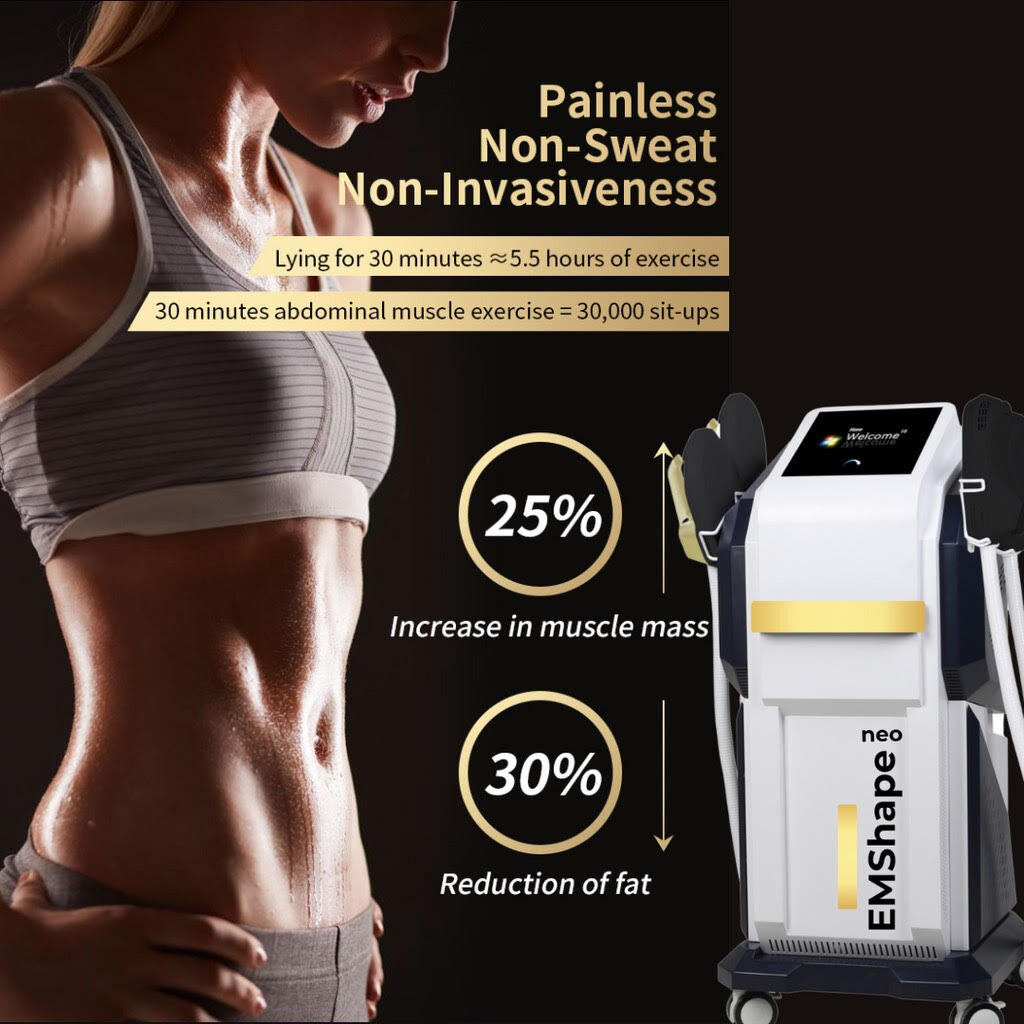
On the training side, EMShape and InvisaRED protocols give a measurable way to rebuild composition while therapy works underneath. Hair thinning, which many men bring up quietly at the end of a TRT visit, has its own dedicated program.
Quick facts
- First step
- Baseline hormone blood work
- Monitoring
- Follow-up labs every 3 months
- Visit rhythm
- Monthly visits
- Seen by
- Board-certified nurse practitioners
- Referral
- Not required
Pricing
- Initial visit
- $150
- Monthly visits
- $100
- Lab pricing
- Varies by insurance
Discounted cash-pay labs available
Common questions
- Will you prescribe testosterone without testing?
- No. Baseline blood work comes first, every time.
- How often will I be seen?
- You will have monthly visits to review symptoms and response, with follow-up blood work every three months.
- Is TRT covered by insurance?
- It depends on your plan and diagnosis. Pulse accepts several carriers and also treats a large number of self-pay patients. Call (918) 322-7400 to talk through your specific situation.
Explore next

Wellness
Medical Weight Loss
Monthly nurse practitioner visits and InBody body composition scans, with medication options personalized to your needs.

Laser + Advanced
Hair Restoration
NOUVADerm, Ultra+ and DE|RIVE combined into one provider-directed program: no surgery, no downtime.
Laser + Advanced
Body Contouring
EMShape uses high-intensity electromagnetic energy to stimulate muscle and build definition.
Wellness
Vitamin Injections
Methylated B12, biotin, lipo, B complex, NAD+, glutathione and Tri-Immune injections with clear pricing.
Start with a consultation, not a commitment.
Tell us what you would like to change. We will tell you honestly what is possible, what it costs, and how long it takes.