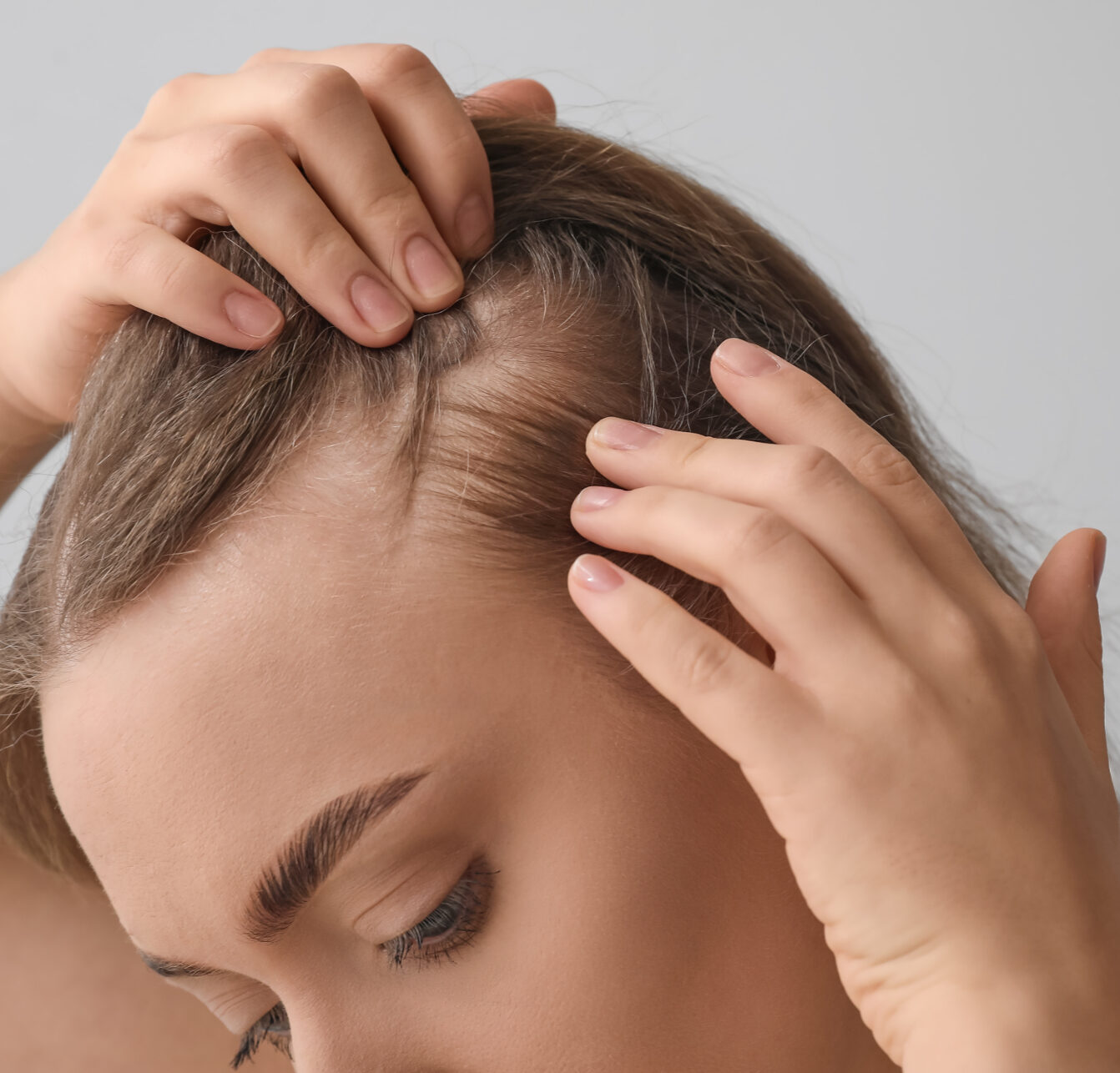
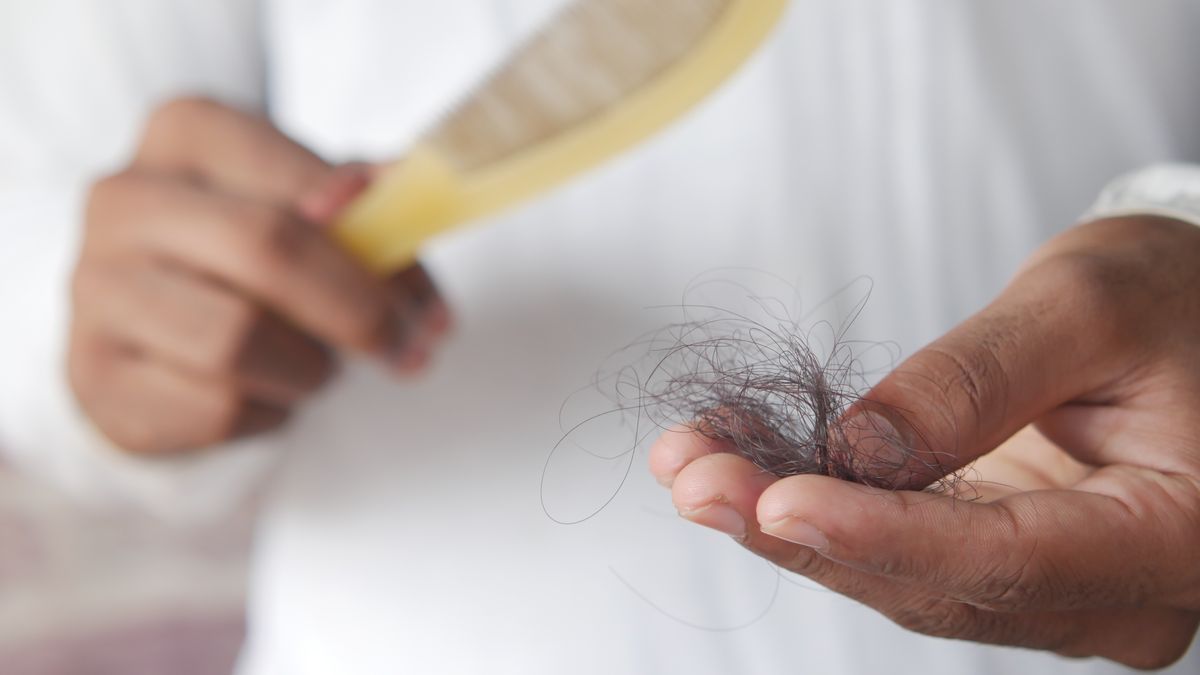
A wider part, a thinner ponytail, or more hair in the shower drain can all be reasons to ask about hair loss. At Pulse Health & Wellness in Claremore, the first visit starts with your story and a look at your scalp. The goal is to understand what may be contributing to the change before we discuss a treatment plan.
Hair loss is common, and it isn’t one single condition. Shedding after an illness, gradual thinning that runs in the family, and patchy loss can look similar in the mirror but have very different causes. That’s why we don’t start with a product. We start with questions.
What we look at
We’ll ask when you first noticed a change, whether it came on gradually or suddenly, and where it’s happening. A widening part and a sudden increase in shedding give us different information. We’ll also ask about your family history, recent illnesses, medications, supplements, and major changes in weight or nutrition. Tell us about scalp itching, soreness, flaking, or patchy areas, even if they seem unrelated.
Timing matters more than most people expect. Increased shedding often shows up a couple of months after a stressful event for the body, such as a high fever, surgery, childbirth, a significant illness, or rapid weight loss. If something like that happened earlier in the year, it may be part of the picture even if it feels like old news.
During the exam, your provider will look closely at your hairline, part, crown, and scalp skin. We may gently check how easily hairs release and look at whether hairs are coming out at the root or breaking along the shaft. Depending on your history, we may also discuss lab work to check for things that can affect hair, such as thyroid function or iron levels.
What to bring
If you have older photos that show your hairline or part, bring a couple. Bring your medication and supplement list and any recent labs you already have. Think about whether you’re mainly seeing hair shed from the scalp or shorter pieces breaking off. It’s fine if you’re unsure. That’s part of what we can help sort out.
A few other details can save time at your visit:
- When you first noticed the change, and whether it’s getting better, worse, or holding steady
- Any close relatives with thinning hair, and at what age it started for them
- Hair products, color, chemical treatments, or tight hairstyles you use regularly
- Anything you’ve already tried for your hair, how long you used it, and what you noticed
Come with your hair styled the way you usually wear it. That helps us see what you see every day.
What happens after the evaluation
Depending on what we find, the next step may be further evaluation, a dermatology referral, or a discussion of options such as scalp PRP injections, NOUVADerm, or topical scalp support. Your pattern of thinning and goals guide that conversation.
We’ll also be honest about timelines. Hair grows slowly, so most hair treatments take several months before you can fairly judge how they’re working. Knowing that up front helps you decide whether a plan fits your budget, schedule, and patience. If we think something else should be addressed first, we’ll tell you that too.
Explore our Hair Restoration page or call 918-322-7400 to ask about a consultation.
Further reading: American Academy of Dermatology · Hair loss diagnosis and treatment